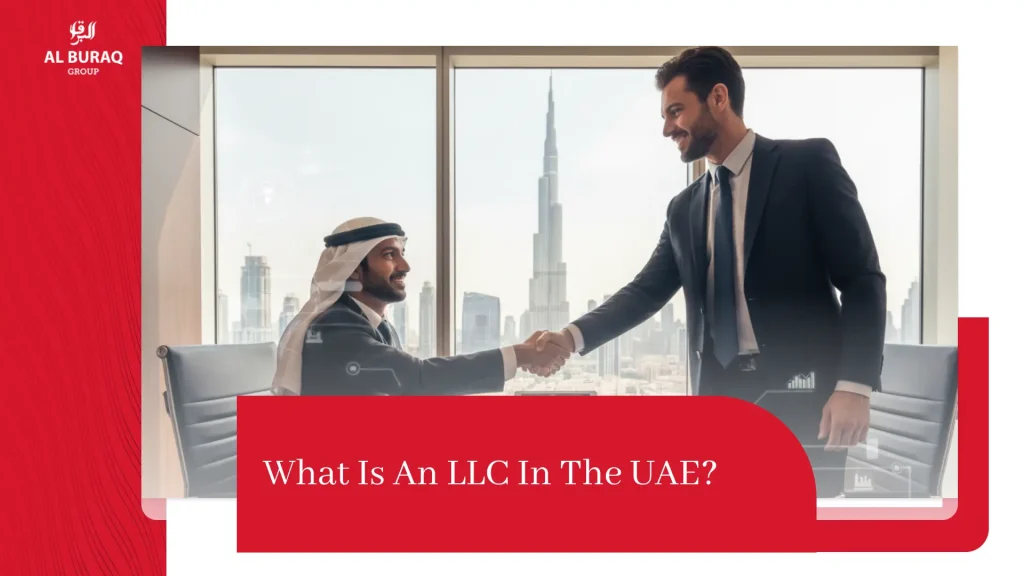
Launching a business in the UAE? You’re in the right direction, as it’s no longer a dream now. The ambitious entrepreneurs have real possibilities with multiple pathways. Among the options, one stands out as a classic favorite: the Limited Liability Company. It is also called LLC.
Confused about what exactly a Limited Liability Company is? And why does it continue to attract entrepreneurs despite the rise of free zones and other business structures?
By the end, you’ll know whether this structure fits your entrepreneurial ambitions in the UAE or not!
Define a Limited Liability Company:
A hybrid structure that marries flexibility with safeguards is called a Limited Liability Company. It shields shareholders’ personal assets from company debts. It gives shareholders room to explore an expansive list of commercial and industrial activities.
The shareholder range is 2 to 50 individuals or corporate entities that can form an LLC. Members are only liable up to their share in the company’s capital. Once restricted, foreign ownership is now permitted up to 100% in many sectors.
In simple words, an LLC allows you to do business in the UAE mainland with personal asset protection and full access to the local market.
Hallmarks of a Limited Liability Company:
Characteristics and Details:
In an LLC, the shareholder structure comprises two to fifty members. They include both individuals and companies. The liability is limited to capital contribution. The ownership was 51 percent of UAE nationals before, plus 49 percent foreigners. Today, it has reached 100 percent ownership allowed in various sectors. The management can be run by shareholders or appointed managers. Under an LLC, a wide range of activities are allowed. It excludes banking, insurance, and investment.
Moreover, capital requirement is not a fixed minimum. However, it must be adequate. The profit distribution can differ from the shareholding ratio if stated in the MOA. Further, annual audits are required. It depends on company size and activities. In LLCs, legal oversight is governed by the UAE Commercial Companies Law.
Why Entrepreneurs Gravitate Towards LLCs?
LLC remains a popular choice. Because it provides 100 percent Foreign Ownership in many industries. This way, foreign investors get full control. The LLCs can directly trade in the UAE market, offering mainland market access. Under an LLC, you have the benefit of availing of unlimited visa quotas. So you can scale your workforce without strict limits. An LLC is a reputation boost. When you have a local presence, it enhances your brand credibility. Experience diverse business activities with LLC. This includes trading, services, and others. In short, an LLC can cover a wide scope.
Moreover, an LLC is a tax-friendly jurisdiction with no personal or corporate income tax for most activities. In short, think of an LLC as a passport to local credibility and global flexibility.
Advantages at a Glance
There are various benefits of setting up a limited company in the UAE The LLC has a flexible ownership structure. You can start as a solo or increase it up to 50 members. You can benefit from fast-track licensing through initiatives like Instant License. Under an LLC, you have the freedom to repatriate profits and capital. Experience the ability to tap into government contracts and tenders. When you have independent legal entity status, it safeguards shareholders. An LLC can be started with no rigid minimum capital requirement. That’s why it’s a favorite option for many entrepreneurs and investors to start an LLC rather than any other option.
Limitations of LLCs
Remember, no structure is flawless! Weigh the potential downsides before rushing into setup. In an LLC, you may face sector Restrictions. It means you can’t go for services like banking, insurance, or investment firms. Local sponsor Issues are another big issue. In sectors where 51% UAE ownership still applies, dependency on a sponsor can be tricky. As an LLC owner, you have a compliance load on your shoulders. These include annual audits, financial record-keeping, and shareholder meetings. They are all mandatory to conduct. The higher costs are also a roadblock. For instance, setup, licensing, and sponsor arrangements may inflate expenses compared to free zone entities. Frequent regulatory updates require adaptability that necessitates legal changes. LLCs give freedom. However, they demand discipline in compliance and extra cost readiness.
Formation Journey: How to Establish an LLC in the UAE
Setting up an LLC in the UAE involves several structured steps. Here’s a roadmap:
- Pick a Trade Name → ensure uniqueness and get approval from the Department of Economic Development (DED).
- Initial Approval → secure pre-approval for your intended business activities.
- Memorandum of Association → draft and notarize this key document. It outlines ownership and operational rules.
- Office Space → rent a physical office and register a tenancy contract.
- Apply for License → submit documents to the DED for trade license issuance.
- Get the License → Once all criteria are met, you’ll receive your LLC license to operate legally.
Using a professional consultancy can cut through the red tape and save weeks of effort.
LLC vs Free Zone Company: Which Should You Choose?
Factor |
LLC (Mainland) |
Free Zone Company |
| Ownership | Up to 100% foreign (sector-dependent) | 100% foreign ownership |
| Market Access | Full UAE mainland + global | Restricted to free zone & exports (needs distributor for mainland) |
| Activities | Wide, except banking/insurance/investment | Depends on free zone regulations |
| Visas | Unlimited | Limited (depends on office size) |
| Reputation | Strong local credibility | Global credibility, less local market access |
| Costs | Higher (sponsor fees, office rent) | Generally lower |
Regulatory & Compliance Duties:
Maintaining compliance is important. This helps you to keep your LLC in good standing. LLCs must conduct annual financial audits and proper corporate record-keeping. The Annual General Meetings must be held to discuss the company’s performance. Moreover, the timely regulatory filings with the DED and submission of required documents are necessary. Ignoring these can lead to penalties. Sometimes, it also led to a license suspension.
Who Governs LLCs in the UAE?
Mainland Companies is supervised by the Department of Economic Development of each emirate. On the other hand, Free Zone LLCs are governed by their respective free zone authorities. Federal Law follows an overarching rule set by the UAE’s Commercial Companies Law.
Last Thoughts:
An LLC in the UAE is a legal structure and a bridge between entrepreneurial ambition and regional opportunity. Thinking? What is a Limited Liability Company, and is it right for me? It’s a perfect fit if you want full access to the UAE mainland market, local credibility, and the flexibility to run business activities. In this case, an LLC makes sense.
A free zone entity may suit you better if your aim is global operations, lower costs, and you don’t need mainland access.
Either way, the laws and investor-friendly environment of the UAE ensure that both options can be springboards for growth. If you’re ready to set up your own LLC, partner with Al-Buraq experts. They understand the UAE company formation’s ins and outs. Your business journey can start smoothly and stress-free with the right guidance.
FAQs
1. What basic steps or documents are needed to set up an LLC in the UAE?
To register an LLC, you’ll typically need:
- A minimum of two and a maximum of fifty shareholders
- An approved trade name from the DED
- A notarized Memorandum of Association (MOA)
- A physical office with an official tenancy contract
- Pre-approval for your business activities
Some licensed activities might still require a UAE national partner depending on the regulations.
2. Is 100% foreign ownership allowed for LLCs in the UAE?
Yes, in many industries the UAE now allows complete foreign ownership. However, a few strategic or highly regulated sectors may still require partial Emirati ownership or local participation.
3. How does an LLC differ from a Free Zone company in the UAE?
The key distinction lies in where you can operate:
- An LLC has full access to the UAE mainland market and can work with local clients and government bodies.
- A free zone company is mainly limited to activities within its free zone and may need a mainland agent or distributor to sell locally.
Other differences include visa capacity, setup costs, and activity flexibility.
4. How long does it usually take to form an LLC in the UAE?
The LLC setup process generally takes between 1 to 3 weeks. The exact duration depends on your business activity, required approvals, proper documentation, and the emirate in which you’re establishing the company. Working with a setup agency can speed things up.
5. What are the ongoing responsibilities for maintaining a UAE LLC?
To keep an LLC compliant, businesses must:
- Conduct yearly financial audits
- Maintain updated corporate records
- Hold an Annual General Meeting (AGM)
- Submit required documents and renewals to the DED on time
Failure to meet these obligations can lead to penalties or even temporary license suspension.